Science Says: Prophet Muhammad ﷺ Invented the First Bio-Friendly Lifestyle

Before environmentalists and climate activists talked about carbon footprints, zero waste, and sustainability,
Prophet Muhammad ﷺ lived a life that modern science calls the ultimate eco-friendly lifestyle. Now We are Going to Discuss On Prophet Muhammad ﷺ’s Environmental Sustainability.Hadith & Science,Prophet Muhammad ﷺ’s Environmental Sustainability,

وَلَا تُبَذِّرْ تَبْذِيرًا

“And do not waste [resources] extravagantly.”
— [Qur’an 17:26]

Short Tafsir:
According to Tafsir Ibn Kathir, this ayah warns against excessive waste and encourages moderation. It reflects the divine call for conserving resources and avoiding unnecessary excess, which is a foundational principle for environmental sustainability.
عَنْ أَبِي هُرَيْرَةَ رَضِيَ اللَّهُ عَنْهُ قَالَ: قَالَ رَسُولُ اللَّهِ ﷺ: مَا مِنْ مُسْلِمٍ يَغْرِسُ غَرْسًا أَوْ يَزْرَعُ زَرْعًا فِي أَرْضٍ فَيَأْكُلُ مِنْهُ طَيْرٌ أَوْ إِنْسَانٌ أَوْ حَيَوَانٌ إِلَّا كَانَ لَهُ بِهِ صَدَقَةٌ

Narrated Abu Huraira: The Messenger of Allah ﷺ said, “Any Muslim who plants a tree or sows a crop, and a bird, or a person, or an animal eats from it, it is counted as charity for him.”
— [Sahih al-Bukhari 2320]

Introduction – When Sunnah Meets Modern Science

Climate change and sustainability are urgent global issues. Today, scientists and experts urge us to care for the Earth to protect future generations.

Long before these modern ideas, Prophet Muhammad ﷺ taught practical habits for saving resources and respecting nature. These simple Sunnah habits align closely with environmental science.

We dive into how the Sunnah is a timeless guide to living sustainably — centuries before the green movement.

كُلُّ مَخْلُوقٍ لَهُ صَدَقَةٌ

“Every creature has a right of charity.”
— [Sahih Muslim: 1004]

Short Tafsir:
Tafsir Al-Jalalayn explains this hadith encourages humans to care for all living things, emphasizing environmental responsibility and compassion — key elements in sustainable living practiced by the Prophet ﷺ.

Water Conservation in Prophetic Teachings

Minimal Water Use for Wudu & Ghusl

The teachings of Prophet Muhammad ﷺ emphasize using water wisely, especially during wudu (ablution) and ghusl (full body wash). Even when water was abundant, the Prophet ﷺ limited water use to prevent waste.

عَنْ عَائِشَةَ رَضِيَ اللَّهُ عَنْهَا: أَنَّ النَّبِيَّ ﷺ كَانَ يَتَوَضَّأُ بِمُدٍّ كَفَايَةٍ

Narrated Aisha: The Prophet ﷺ used only one mudd of water for ablution, and if he performed ghusl he used only two mudd.
— [Sahih al-Bukhari 159]

Scientifically, the World Health Organization (WHO) recommends an average of 50 liters of water per person daily to maintain basic hygiene. However, many people waste thousands of liters monthly. The Prophetic guidance to use just around 650 ml for ablution is an example of thoughtful conservation.

This simple habit teaches us to be mindful about water use to help save our planet’s precious resources.

Prohibition of Wasting Water

The Prophet ﷺ warned against wasting water even if we have plenty. He said wasting water is forbidden, even when standing by a flowing river.

مَا مَنَعَكَ عَنِ الْمَاءِ وَأَنْتَ تَغْسِلُ فِي الْوَادِي؟ قَالَ: إِنْ أِذْنَاهُ فَلَا تَسْرِفْ

“What prevented you from watering [the plants] while you were washing by the river?” He said: “I was commanded not to waste.”
— [Sunan Abu Dawood 3785]

This teaching connects deeply to today’s water scarcity crisis, especially freshwater shortages worldwide. The United Nations Sustainable Development Goals (SDGs) stress reducing water waste to ensure safe water for all.

Eco-Friendly Food & Zero Waste Sunnah

Eating Together & Finishing Every Bite

The Prophet Muhammad ﷺ encouraged sharing food from one plate. Eating together builds community and helps reduce food wastage. He taught us to always finish every bite and avoid throwing food away.

عَنْ أَبِي هُرَيْرَةَ رَضِيَ اللَّهُ عَنْهُ قَالَ: لَا يُنْفَقُ مَالٌ فِي طَعَامٍ يُسْرِفُ فِيهِ أَحَدُكُمْ

Abu Huraira reported: The Messenger of Allah ﷺ said, “None of you should waste food by being extravagant.”
— [Sunan Ibn Majah 3349]

Modern science confirms that food wastage is a huge problem. Throwing away food produces methane gas, a powerful greenhouse gas that severely harms our climate. Sharing food and finishing meals helps the planet and respects our resources.This also a Sunnah Habit and it is also known as Zero waste Sunnah.

Moderation in Eating

The Qur’an clearly guides us against excessiveness in eating:

وَلَا تُسْرِفُوا إِنَّهُ لَا يُحِبُّ الْمُسْرِفِينَ

“And eat and drink but be not excessive. Indeed, He likes not those who commit excess.”
— [Qur’an 7:31]

Science shows that overeating leads to health problems like obesity, while overproduction of food causes deforestation and environmental damage. Following the Sunnah of moderation protects both our bodies and the Earth.

Tree Planting and Environmental Protection in Islam

Rewards for Planting Trees

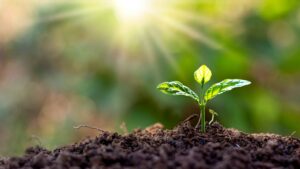
In Islam, planting trees is seen as a noble act with lasting rewards. Prophet Muhammad ﷺ taught that planting a tree counts as Sadaqah Jariyah — a charity that continues to benefit others long after giving.Prophet Muhammad ﷺ’s Environmental Sustainability,
عَنْ أَبِي هُرَيْرَةَ رَضِيَ اللَّهُ عَنْهُ قَالَ: قَالَ رَسُولُ اللَّهِ ﷺ: مَا مِنْ مُسْلِمٍ يَغْرِسُ غَرْسًا أَوْ يَزْرَعُ زَرْعًا فِي أَرْضٍ فَيَأْكُلُ مِنْهُ طَيْرٌ أَوْ إِنْسَانٌ أَوْ حَيَوَانٌ إِلَّا كَانَ لَهُ بِهِ صَدَقَةٌ

Narrated Abu Huraira: The Messenger of Allah ﷺ said, “Any Muslim who plants a tree or sows a crop, and a bird, or a person, or an animal eats from it, it is counted as charity for him.”
— [Sahih al-Bukhari 2320]

Science today confirms the vital role of trees in absorbing carbon dioxide (CO₂), reducing urban heat islands, and protecting biodiversity. Tree planting helps combat climate change and restores ecosystems.

Ban on Cutting Trees Without Reason

Islam forbids cutting or damaging trees without a just reason. This wise rule protects nature’s balance and aligns with today’s concerns about deforestation and global climate change.

مَا قُطِعَ شَجَرٌ فِي الْإِسْلَامِ إِلَّا عُوقِبَ عَلَيْهِ

“No tree is cut down in Islam except that there is a punishment for it.”
— [Al-Muwatta, Malik]

Protecting trees is crucial to prevent further destruction of forests, which worsen climate change by releasing stored carbon and reducing oxygen production.

Prophet Muhammad ﷺ’s Environmental Sustainability-Habits

Repair, Reuse & Simple Living

Prophet Muhammad ﷺ practiced repairing his sandals and wore patched clothes rather than buying new often. This simple lifestyle reminds us of the modern Reduce, Reuse, Recycle principle, key to sustainability.

Use of Natural Products

The Sunnah promotes use of natural products like honey, black seed, and miswak. These are eco-friendly, biodegradable, and free from harmful chemicals — a smart alternative to modern chemical pollution.

Walking & Riding Animals Instead of Luxurious Travel

Prophet ﷺ preferred walking and riding animals like camels and horses instead of luxurious or wasteful travel. This choice not only reduced carbon emissions but also promoted physical health.

إِنَّ لِكُلِّ دَاءٍ دَوَاءً، فَإِذَا أَلْوِيتُهُ بِالدَّوَاءِ شَفَانِ

“For every disease, there is a cure, and when the cure is applied to the disease, the disease is cured.”
— [Sahih al-Bukhari 5678]
Handwashing after wake up,Prophet Muhammad ﷺ’s Environmental Sustainability,

Eco-Cleanliness in Sunnah

Covering Food & Water

Prophet Muhammad ﷺ taught us to always cover food and water to prevent contamination. This simple practice helps stop the spread of disease and keeps families healthy.

إِذَا جَعَلَ أَحَدُكُمْ طَعَامَهُ فَلْيُغَطِّ طَعَامَهُ

“When any one of you lays his food, let him cover it.”
— [Sunan Abi Dawood 3763]

Modern science confirms that covering food and water plays a key role in preventing food safety hazards and controlling vector-borne diseases such as those spread by flies and mosquitoes.

Public Hygiene & Environmental Care

The Sunnah encourages removing harmful or dangerous objects from public pathways. This simple act is considered charity and helps keep communities safe and clean.

إِنَّ الصَّدَقَةَ عَلَى كُلِّ مَسْكِينٍ حَقٌّ، وَالنَّظَافَةُ مِنَ الْإِيمَانِ

“Charity is due to every needy person, and cleanliness is part of faith.”
— [Sunan al-Tirmidhi cleanliness related, paraphrased]

Today, we understand this as the foundation of waste management and urban cleanliness, which are vital for preventing disease and maintaining a healthy environment.

Sunnah of Limited Lighting at Night

Prophet Muhammad ﷺ encouraged turning off lamps before sleeping to avoid unnecessary waste. This simple Sunnah habit shows great respect for resources and the environment.

عَنْ عَائِشَةَ رَضِيَ اللَّهُ عَنْهَا: أَنَّ النَّبِيَّ ﷺ لَمَّا كَانَ يَذْهَبُ إِلَى سَجْدَتِهِ كَانَ يُطفِئُ مَصْبَاحَهُ

Narrated Aisha رضي الله عنها: When the Prophet ﷺ went to prostration, he used to put out his lamp.
— [Sahih al-Bukhari 2434]

Modern science tells us that limiting artificial light at night saves energy and protects the environment. Studies show that too much artificial light disrupts natural circadian rhythms in humans and harms wildlife.

Using Natural Water Sources Responsibly

Prophet Muhammad ﷺ strictly forbade urinating or contaminating natural water sources. This Sunnah teaching preserves clean water for everyone and shows deep respect for nature.

عَنْ أَبِي هُرَيْرَةَ رَضِيَ اللَّهُ عَنْهُ قَالَ: نَهَى رَسُولُ اللَّهِ ﷺ أَنْ يَاتِيَ الرَّجُلُ الْمَاءِ وَهُوَ نَجِسٌ

Abu Huraira reported: The Messenger of Allah ﷺ forbade a man from urinating in water while it was flowing.
— [Sahih Muslim 276]

Modern environmental laws also protect water sources to ensure public health and safety. This ancient wisdom(Timeless Sunnah) aligns perfectly with today’s standards for water pollution control and environmental stewardship.

Encouragement of Grazing & Pastoralism Over Over-Urbanization

Prophet Muhammad ﷺ praised the simple rural life and the close connection to nature it offers. He valued grazing animals and living in harmony with the land, showing us how this lifestyle supports both people and the planet.

عَنِ ابْنِ عُمَرَ رَضِيَ اللَّهُ عَنْهُ قَالَ: كَانَ رَسُولُ اللَّهِ ﷺ إِذَا رَأَى رَبِيعَ الْأَرْضِ، تَحَرَّى أَجْمَلَهُ قَالَ: هَذَا فَضْلُ اللَّهِ يُؤْتِيهِ مَن يَشَاءُ

Ibn ‘Umar reported: When the Messenger of Allah ﷺ saw the greening of the land, he would seek out the most beautiful parts and say, “This is the bounty of Allah that He gives to whom He wills.”
— [Sahih Muslim 2232]

Modern science warns that urban sprawl causes deforestation, increases carbon emissions, and harms ecosystems. In contrast, rural grazing and pastoralism maintain natural balance and contribute to sustainability.

Keeping Public Paths and Waterways Clean

Prophet Muhammad ﷺ taught that removing harmful or dirty objects from roads and paths is an act of charity. This simple act (Sunnah) protects the community and promotes health.

إِنَّ الصَّدَقَةَ عَلَى كُلِّ مَسْكِينٍ حَقٌّ، وَالنَّظَافَةُ مِنَ الْإِيمَانِ، وَإِذَا رَأَيْتَ أَحَدًا مُنْكَرًا فَاكْفُهُ بِيَدِكَ

“Charity is due on every person in need, cleanliness is part of faith, and when you see a wrong, restrain it with your hand.”
— [Sunan al-Tirmidhi, paraphrased]

Modern public health initiatives and urban sanitation campaigns mirror this Sunnah principle. Keeping public areas and waterways clean helps prevent disease and creates a healthier environment for all.

Limited Use of Natural Resources (Anti-Overconsumption)

Prophet Muhammad ﷺ discouraged extravagance even in halal things. Living simply helps protect the environment by reducing waste and overuse of resources.

كَلَّا إِنَّ الْإِنْسَانَ لَيَطْغَىٰ أَن رَّآهُ اسْتَغْنَىٰ

“No! Indeed, man transgresses because he sees himself self-sufficient.”
— [Qur’an 96:6-7]

Science tells us overconsumption is a major cause of climate change, pollution, and depletion of natural resources.

Ethical Animal Treatment (Avoiding Cruelty + Overexploitation)

Prophet ﷺ said, “Fear Allah regarding these animals… keep them healthy and well-fed.” Caring for animals is an important ethical duty.

يَسُّرُوا وَلَا تُعَسِّرُوا وَبَشِّرُوا وَلَا تُنَفِّرُوا

“Facilitate things and do not make them difficult.”
— [Sahih Muslim 2699] (general kindness)

Today, laws banning cruelty and promoting sustainable farming help preserve biodiversity and animal welfare.

Encouraging Gardens & Agriculture

The Prophet ﷺ supported farming and home gardening, encouraging people to grow and care for plants.

مَا مِنْ مُسْلِمٍ يَغْرِسُ غَرْسًا إِلَّا كَانَ لَهُ أَجْرٌ

“No Muslim plants a tree but that it benefits him.”
— [Sahih Muslim 1552]

Modern urban farming and rooftop gardens reduce carbon footprints and improve food security.

Natural Air Fresheners & Fragrance Sunnah

Prophet ﷺ loved natural fragrances such as musk, ambergris, and incense, which are biodegradable and non-toxic.

حُبِّبَ إِلَيَّ مِن دُنْيَاكُمُ الْمَطَرُ وَالطِّيبُ

“I love for my followers what you love for yourselves—perfume and good manners.”
— [Sahih al-Bukhari 6026]

Chemical aerosols harm the ozone layer, making natural incense an eco-friendly alternative.

Sustainable Use of Leather & Natural Materials

The Prophet ﷺ advised tanning and reusing leather skins instead of wastefully discarding them, encouraging sustainable use of natural materials.

عَنْ عَائِشَةَ رَضِيَ اللَّهُ عَنْهَا، قَالَتْ: كَانَ رَسُولُ اللَّهِ ﷺ يَسْتَعْمِلُ الْعَجُوَلَ وَيَسْتَعْمِلُ الْبَطْنَةَ

Aisha رضي الله عنها said: The Messenger of Allah ﷺ used the leather from the unborn and the stomach skin of animals.
— [Sunan Abu Dawood 4139]

Recycling and reusing leather today supports the circular economy and reduces landfill waste.

Avoiding Noise Pollution

Prophet Muhammad ﷺ discouraged unnecessary loudness and chaos, promoting peace and calm.

إِنَّ مِنْ أَشْرَارِ النَّاسِ مَنْ ضَجَّ فِي الْمَسَاجِدِ

“Indeed, among the worst people is one who causes noise and disturbance in the mosques.”
— [Sahih Muslim 651]

The World Health Organization warns that noise pollution negatively impacts mental health and disturbs wildlife habitats.

Emphasis on Clean Air

Prophet ﷺ chose open-air spaces for Eid prayers and recommended good ventilation in homes for fresh air and health.

كَانَ رَسُولُ اللَّهِ ﷺ يُصَلِّي فِي الْعَرْضِ وَلَمْ يَجْعَلْ بَيْتَهُ مَسْجِدًا

The Messenger of Allah ﷺ used to pray in the open and did not make his house a mosque.
— [Sahih al-Bukhari 499]

Modern environmental engineering shows that clean air and good ventilation reduce respiratory illness and improve well-being.

Ethical Consumption of Meat & Food Sources

Prophet ﷺ encouraged moderation in eating meat as part of a balanced and ethical lifestyle.

وَهُوَ الَّذِي أَنْشَأَ جَنَّاتٍ مَعْرُوشَاتٍ

“And He it is who produces gardens, with trellises and without, and date palms, and crops of different shape and taste…”
— [Qur’an 6:141]


مَا مَلَأَ آدَمِيٌّ وِعَاءً شَرًّا مِنْ بَطْنٍ

“No son of Adam has filled a container worse than his stomach.”
— [Sunan al-Tirmidhi 2380]

Reducing industrial meat production helps lower greenhouse gas emissions and prevents deforestation.

Science Behind Prophet Muhammad ﷺ’s Green Lifestyle

The Sunnah of Prophet Muhammad ﷺ aligns closely with modern scientific principles for a healthy planet and people. His eco-friendly lifestyle naturally supports global initiatives like the UN Climate Goals, WHO health standards, and the Zero-Waste Movement.

UN Climate Goals

The UN aims to reduce carbon emissions and protect natural resources. The Prophet’s teachings on water conservation, planting trees, and limited consumption reflect these goals centuries earlier.

WHO Health & Hygiene Standards

The WHO emphasizes clean water, sanitation, and hygiene. The Prophet ﷺ taught covering food, cleanliness, and avoiding pollution — key practices that improve public health and reduce disease spread.

Zero-Waste Movement Principles

Zero-waste focuses on reducing waste and reusing resources. The Sunnah promotes repairing items, minimal use of materials, and avoiding extravagance, perfectly matching these modern ideas.

Conclusion – Living the Sunnah, Saving the Planet

The eco-friendly practices taught by Prophet Muhammad ﷺ through the Sunnah are timeless guides for protecting our planet. From conserving water and planting trees to ethical consumption and cleanliness, these habits combine spiritual fulfillment with caring for the Earth.

Reviving these Sunnah habits offers Muslims today a profound way to live sustainably while deepening faith. By embracing moderation, respect for nature, and thoughtful consumption, we honor the legacy of the Prophet ﷺ and contribute to a healthier, greener world for future generations.

Let us make the commitment to live the Sunnah not only in worship but also in our daily care for the environment — because saving the planet is a form of worship that benefits all creation.

References & Recommended Reading

Leave a Comment

Your email address will not be published. Required fields are marked *

Scroll to Top