
The History of Blood Circulation: A Legacy in Medical Science
Blood circulation is one of the most vital discoveries in global medical science.
While William Harvey is widely celebrated for describing systemic circulation in the 17th century, centuries before him, Islamic discovery of blood circulation By, Ibn al-Nafis, a remarkable Islamic scholar and physician, gave the first detailed description of the pulmonary circulation.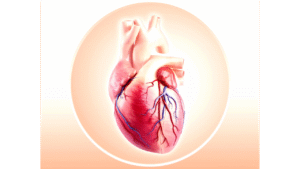
His work laid a foundation that modern science later confirmed. The Islamic discovery of blood circulation, highlighted by Ibn al-Nafis blood circulation findings, stands as one of the most groundbreaking achievements in history, shaping early pre-Harvey blood circulation theory and guided by Qur’anic metaphors circulation and Avicenna heart function insights.
Qur’an
وَفِيهِ نَفَخْتُ مِن رُّوحِي
“And in it I breathed My spirit.” (Qur’an 15:29)
This powerful metaphor speaks to the divine life force, echoing the deep integration of spirituality and science.
The remarkable legacy of Islamic scholars like Ibn al-Nafis shows a unique blend of Qur’anic metaphor, detailed scientific insight, and timeless scholarship that continues to inspire modern medical science.
Historical Overview: Pre-Harvey Blood Circulation Theory
Before William Harvey’s discovery, medical knowledge about blood circulation was dominated by the ancient Galenic views.
Galen believed blood was produced in the liver and passed between heart chambers via invisible pores, a view accepted for over a thousand years.
However, Islamic scholars such as Ibn al-Nafis and Avicenna advanced anatomy and physiology far beyond contemporary European understanding.
Ibn al-Nafis, in particular, described the pulmonary circulation centuries before Harvey, clearly explaining how blood moves from the heart to the lungs and back.
Qur’an
إِنَّ فِي خَلْقِ السَّمَاوَاتِ وَالْأَرْضِ وَاخْتِلَافِ اللَّيْلِ وَالنَّهَارِ لَآيَاتٍ لِّأُولِي الْأَلْبَابِ
“Indeed, in the creation of the heavens and the earth and the alternation of the night and the day are signs for those of understanding.” (Qur’an 3:190)
These scholars’ works illustrate the integration of scientific research with the profound understanding of the natural world found within the Qur’anic text.
The pre-Harvey blood circulation theory, influenced strongly by Ibn al-Nafis blood circulation insights and uniquely connected to Qur’anic metaphors circulation, laid the essential groundwork for European medicine and built upon the revolutionary Islamic discovery of blood circulation tradition and Avicenna heart function insights.
Ibn al-Nafis and the Islamic Discovery of Blood Circulation
- Rejection of Galenic Theory:
Ibn al-Nafis boldly refuted the ancient Galenic notion of invisible pores in the interventricular septum. He stated the septum was solid and impenetrable, transforming previous beliefs about how blood moved in the heart. - Pulmonary Circulation Explained:
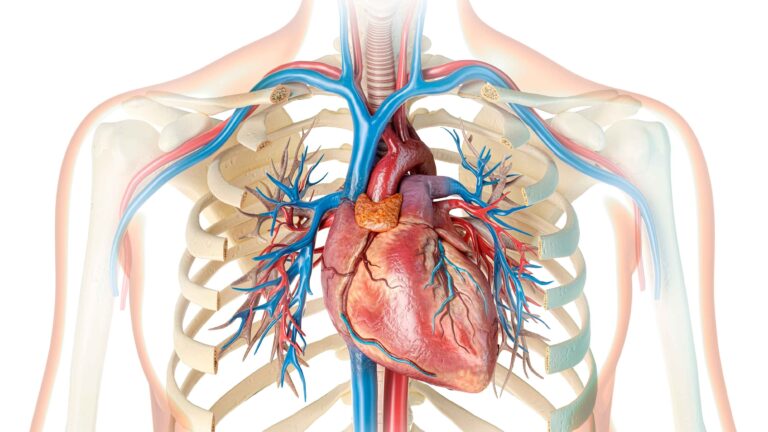
He was the first to describe pulmonary circulation: blood travels from the right ventricle to the lungs for oxygen exchange, then returns to the left ventricle—a mechanism centuries ahead of European discoveries. - Comparison with Later Discoveries:
Ibn al-Nafis’s explanation of the movement of blood set the groundwork for cardiovascular physiology, long before figures like William Harvey. - Scholarly Recognition & Rediscovery:
Though forgotten in Europe for many years, Ibn al-Nafis is now celebrated in the medical world for the Islamic discovery of blood circulation and his pioneering work in anatomy.
Qur’an
وَخُلِقَ الْإِنسَانُ مِنْ صَلْصَالٍ كَالْفَخَّارِ
“And He created man from sounding clay like pottery.” (Qur’an 55:14)
This verse reflects the Qur’an’s theme of profound creation and hidden wisdom, a concept mirrored in Ibn al-Nafis’s scientific exploration.
Ibn al-Nafis blood circulation research completely redefined the understanding of how blood flows through the heart and lungs, placing the Islamic discovery of blood circulation far ahead of pre-Harvey blood circulation theory in both accuracy and scientific reasoning.
Avicenna’s Heart Function Insights
Avicenna heart function insights, when understood alongside Ibn al-Nafis blood circulation work and the Islamic discovery of blood circulation, show how Qur’anic metaphors circulation and pre-Harvey blood circulation theory are deeply interlinked within classical Islamic scholarship.
- Integrated Model:
Avicenna described the heart as the central organ driving the body’s life force and distributing heat and vital blood to all tissues. - Chamber Functions:
He detailed the right and left chambers, explaining how the heart controls the flow of blood and mixes air from the lungs for vital nourishment. - Pulse and Health:
Avicenna pioneered pulse examination, linking it to the heart’s role in sending healthy blood and signals throughout the body. - Early Capillary Concept:
He imagined invisible connections between arteries and veins, showing advanced thinking on blood flow even before the discovery of capillaries. - Spiritual Connection:
Avicenna emphasized the heart’s connection to emotions, spirit, and reason, blending physical science with philosophy.
Qur’an
أَفَلَمْ يَسِيرُوا فِي الْأَرْضِ فَتَكُونَ لَهُمْ قُلُوبٌ يَعْقِلُونَ بِهَا
“Do they not travel through the land so that they may have hearts by which they understand?” (Qur’an 22:46)
The Qur’an inspires curiosity and respect for the heart—echoed in Avicenna’s medical philosophy.
Blood Circulation in Islamic Art, Poetry and Literature
- Metaphoric Beauty:
In Islamic poetry, the heart is often described as the “seat of love and faith,” and flowing blood inspires metaphors for life, emotion, and devotion.Poetry Proof:
“As blood surges from this heart, so does longing flow in prayer—”
“From the veins comes the river of my yearning, and in love, I live and breathe.” - Artistic Expressions:
Calligraphy, mosaics, and paintings use rhythmic lines and curves to symbolize the constant movement of blood, showing both the beauty of the body and the spirit’s journey. - Cultural Reflections:
These artistic creations reflect a deep respect for the human body and see the heart as a bridge between physical and spiritual life. In literature, medical manuscripts often merge spiritual and anatomical understanding, demonstrating the unity of faith and reason.Literary Proof:
Al-Razi wrote: “The heart is noble, a king giving life to all it rules beneath, governing blood with justice and order.”
Qur’an
إِنَّ فِي ذَٰلِكَ لَذِكْرَىٰ لِمَن كَانَ لَهُ قَلْبٌ
“Indeed, in that is a reminder for whoever has a heart.” (Qur’an 50:37)
The Qur’an links the heart to memory and meaning—an idea carried across centuries in Islamic poetry, art, and medical literature.
Qur’anic Metaphors and Scientific Tafsir
Qur’an 6:125
فَمَن يُرِدِ اللَّهُ أَن يَهْدِيَهُ يَشْرَحْ صَدْرَهُ لِلْإِسْلَامِ وَمَن يُرِدْ أَن يُضِلَّهُ يَجْعَلْ صَدْرَهُ ضَيِّقًا حَرَجًا كَأَنَّمَا يَصَّعَّدُ فِي السَّمَاءِ
“So whoever Allah wants to guide—He expands his chest to Islam; and whoever He wants to misguide—He makes his chest tight and constricted as if he were climbing into the sky.” (Qur’an 6:125)
Classical Tafsir: Most commentators note how “climbing into the sky” mirrors real physical effects of high altitude, causing chest constriction and hypoxia as modern science has confirmed. This powerful Qur’anic metaphor blends spiritual meaning with scientific truth about blood circulation.
- Veins and Flow: The Qur’an refers to veins and arteries as life-giving channels, offering both spiritual and literal images of movement and sustenance (Qur’anic metaphors circulation).
- Flow of Blood: Flowing blood is described as a sign of life and divine design, bridging physiological knowledge with spiritual wisdom.
- Heart and Chest Imagery: Chest expansion and constriction are metaphors for guidance and spiritual struggle, but also reflect real biological reactions like hypoxia at high altitudes.
Hadith
إِنَّ اللهَ لا يَنْظُرُ إِلَى صُوَرِكُمْ وَأَمْوَالِكُمْ، وَلَكِنْ يَنْظُرُ إِلَى قُلُوبِكُمْ وَأَعْمَالِكُمْ
“Indeed, Allah does not look at your outward appearances or wealth, but He looks at your hearts and deeds.” (Sahih Muslim 2564)
This Qur’anic metaphor and prophetic wisdom bridges the connection between the heart’s spiritual and physical health.
Qur’anic metaphors circulation provided crucial spiritual and scientific inspiration, encouraging Ibn al-Nafis blood circulation analysis and influencing Avicenna heart function insights that together formed the roots of the Islamic discovery of blood circulation and later advances in pre-Harvey blood circulation theory.
Scientific Explanation with Proof
- Ibn al-Nafis & Modern Physiology:
Ibn al-Nafis described pulmonary circulation centuries before Harvey. Today, medical science proves that blood leaves the right side of the heart, moves to the lungs to pick up oxygen, and returns to the left side—matching modern physiology and experimental data. - European Acceptance and Influence:
William Harvey and Marcello Malpighi confirmed these findings in 17th-century Europe, but their understanding was built upon earlier Islamic research and texts already describing blood and pulmonary circulation. - Qur’anic Metaphors Validated:
Modern physiology validates Qur’anic metaphors such as chest constriction and breathlessness at high altitude (Surah 6:125). Recent research shows oxygen decreases and blood circulation struggles as one ascends, exactly as the Qur’an metaphorically describes. - Recent Research:
Today’s experiments measuring oxygen, blood flow, and breath at elevation prove the Qur’anic imagery is relevant and scientifically correct—bridging Qur’anic metaphors with modern scientific explanations.
Qur’an 6:125
يَجْعَلْ صَدْرَهُ ضَيِّقًا حَرَجًا كَأَنَّمَا يَصَّعَّدُ فِي السَّمَاءِ
“He makes his chest tight and constricted as if he were climbing into the sky.” (Qur’an 6:125)
This verse mirrors modern science’s proof of chest constriction and hypoxia at altitude.
Legacy and Modern Relevance of Islamic Medical Scholarship
- Enduring Influence:
The discoveries of Ibn al-Nafis and Avicenna remain part of modern medicine, shaping physiology courses and textbooks worldwide. - Contemporary Acknowledgement:
Scientists like Dr. Omar F. Mirza and educators from universities in Turkey, Malaysia, and Egypt openly recognize Islamic contributions to today’s medical knowledge. - Honoring Legacy in Education:
In many Muslim countries, students learn about these scholars in medical school, studying their work and reflecting on heritage and scientific achievement. - A Modern Anecdote:
An anatomy professor in Cairo asks every new student, “Who first explained how the lungs work with the heart?” Hands rise and voices answer proudly: “Ibn al-Nafis!”
Qur’an
يَرْفَعِ اللَّهُ الَّذِينَ آمَنُوا مِنكُمْ وَالَّذِينَ أُوتُوا الْعِلْمَ دَرَجَاتٍ
“Allah raises those who believe among you and those who have been given knowledge by degrees.” (Qur’an 58:11)
Islamic tradition celebrates knowledge, linking the scholarly legacy of medicine to faith and social honor.
Scholarly Mentions and Historical Impact
- Global Recognition:
Renowned historians and scholars, such as Aldo Mieli, Max Meyrhoff, Edward Coppola, Sami Haddad, Abdul Karim Shahadah, and Abdul Rehman, have all affirmed the legacy and **preeminence of Ibn al-Nafis** in circulatory physiology. - Avicenna’s Observations:
Avicenna offered foundational insights into heart function and blood movement. His writings helped pave the way for deeper advances by Ibn al-Nafis and others during the Islamic Golden Age. - Enduring Influence:
The pioneering research of Islamic scholars not only advanced medical science within the Muslim world, but also led to cross-cultural transmission into Europe, inspiring generations of scientists and physicians.
Qur’an
إِنَّمَا يَخْشَى اللَّهَ مِنْ عِبَادِهِ الْعُلَمَاءُ
“Only those who have knowledge truly fear Allah among His servants.” (Qur’an 35:28)
This verse celebrates the high status of scholars and highlights the importance of knowledge and inquiry as bridges between faith and scientific progress.
Comparative Analysis: Islamic vs European Discoveries of Circulation
- Timeline Difference:
Ibn al-Nafis described pulmonary circulation in the 13th century, long before William Harvey presented his findings in the 17th century. - Scientific Methodology:
Islamic scholars, especially Ibn al-Nafis, used critical reasoning and direct observation. They rejected old ideas and prioritized anatomical study. Harvey continued this approach and performed controlled experiments, building on earlier foundations. - Influence on Europe:
Translations of Islamic texts reached European centers of learning, helping shape European medical science and research techniques. - Cultural & Historical Significance:
This cross-civilizational transfer of medical knowledge shows the value of curiosity, sharing, and respect between civilizations.
Qur’an
وَمَا أُوتِيتُم مِّنَ الْعِلْمِ إِلَّا قَلِيلًا
“And you have not been given of knowledge except a little.” (Qur’an 17:85)
This verse reminds us to stay humble and keep seeking and sharing knowledge.
Connection Between Spirituality and Science in Islamic Medicine
- Unified Worldview:
In Islamic medicine, faith and scientific exploration live in harmony. Scholars believed learning about health helps us understand divine creation. - Medicine as Worship:
Classic scholars like Ibn Sina (Avicenna) and Al-Razi saw medical study and healing as a form of gratitude for God’s gifts and an act of worship. - Qur’anic Inspiration:
Verses on the complexity of body, nature, and health (e.g., blood, breath, and heart) motivated scholars to ask questions and seek answers, leading to scientific discoveries from Qur’anic metaphors.
Qur’an
وَفِي أَنفُسِكُمْ ۚ أَفَلَا تُبْصِرُونَ
“And in your own selves—will you not then see?” (Qur’an 51:21)
The Qur’an encourages reflection on our bodies, inspiring curiosity and deep respect for God’s creation.
Conclusion
- Global Significance:
The Islamic discovery of blood circulation shaped modern medicine worldwide and paved the way for many scientific breakthroughs. - Harmony of Wisdom:
The unity between Qur’anic wisdom, scientific progress, and the work of Muslim scholars shows the value of connecting faith and research. - Timeless Inspiration:
Studying these connections continues to inspire curiosity, respect, and progress in science and society.
Qur’an
قُلْ هَلْ يَسْتَوِي الَّذِينَ يَعْلَمُونَ وَالَّذِينَ لَا يَعْلَمُونَ
“Say: Are those who know equal to those who do not know?” (Qur’an 39:9)
The Qur’an honors knowledge and encourages lifelong learning.
Frequently Asked Questions
References
- Ibn al-Nafis and Pulmonary Circulation – Wikipedia:
Comprehensive overview of Ibn al-Nafis’s discovery and its historical context.
Read more - Ibn Al-Nafis: Discoverer of the Pulmonary Circulation – PMC:
Medical journal article covering the significance of Ibn al-Nafis’s work.
Read more - Discovery of the Cardiovascular System: From Galen to Harvey:
Analysis of major milestones from Islamic and European scholars.
Read more - Qur’an Verses on Animals and Blood Circulation:
A listing of Qur’anic ayat related to animals, health, and physiological metaphors.
Read more - Qarshi Ibn Al Nafis (1210-1288) – The Review of Religions:
Modern review and scholarly analysis of Ibn al-Nafis’s influence.
Read more - Islamic Science Hub:
Source for Islamic medical history, science, and Qur’anic insights.
Visit blog