Animals in the Qur’an and Science
Where Ancient Wisdom Meets Modern Discovery

The Qur’an speaks about many animals, not just as creatures of the earth, but also as signs of wisdom from Allah.
Modern science now confirms many facts that the Qur’an mentioned more than 1,400 years ago.animals in the Qur'an and science
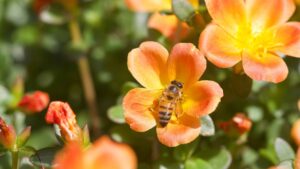
Studying animals in the Qur’an and science shows a beautiful harmony between divine words and scientific knowledge.

Qur’an

وَمَا مِن دَابَّةٍ فِي الْأَرْضِ وَلَا طَائِرٍ يَطِيرُ بِجَنَاحَيْهِ إِلَّا أُمَمٌ أَمْثَالُكُمْ

“There is no creature on earth or bird that flies with its wings except they are communities like you.”
(Qur’an 6:38)

This reminds us that animals are also created with purpose and systems, just like humans, showing divine wisdom.

Hadith

«فِي كُلِّ كَبِدٍ رَطْبَةٍ أَجْرٌ»

“There is a reward for serving any living being.”
(Sahih Bukhari, 2363)

Islam teaches mercy and care for all creatures, a message science today confirms through ecology and balance.

The relationship between animals in the Quran and science reflects a profound harmony, where divine revelations align perfectly with scientific facts about animals in the Quran. This connection inspires readers to explore the depth of ecological wisdom in the Quran embedded in nature.

Animals in the Qur’an: A Divine Perspective
Spiritual Wisdom & Ecological Awareness

The Qur’an speaks about many animals—from bees and camels to ants and birds.
Each mention carries lessons of spiritual meaning and ecological awareness.animals in the Qur'an and science
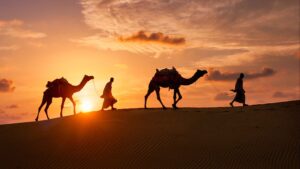
Studying animals in the Qur’an and science shows us how divine wisdom and modern knowledge beautifully meet.

Bees 🐝

وَأَوْحَىٰ رَبُّكَ إِلَى النَّحْلِ أَنِ اتَّخِذِي مِنَ الْجِبَالِ بُيُوتًا وَمِنَ الشَّجَرِ

“And your Lord inspired the bees, saying: Make hives in the mountains, trees, and houses people build.”
(Qur’an 16:68)

Bees provide honey and show the beauty of order and community, essential for both faith and science.

Camels 🐪

أَفَلَا يَنظُرُونَ إِلَى الْإِبِلِ كَيْفَ خُلِقَتْ

“Do they not look at the camel, how it was created?”
(Qur’an 88:17)

The camel reflects adaptation and survival in harsh deserts, showing divine design.

Ants 🐜

يَا أَيُّهَا النَّمْلُ ادْخُلُوا مَسَاكِنَكُمْ لَا يَحْطِمَنَّكُمْ سُلَيْمَانُ وَجُنُودُهُ

“O ants, enter your dwellings so Solomon and his army do not crush you.”
(Qur’an 27:18)

Ants symbolize teamwork, communication, and eco-balance.

Birds 🕊️

أَلَمْ يَرَوْا إِلَى الطَّيْرِ مُسَخَّرَاتٍ فِي جَوِّ السَّمَاءِ مَا يُمْسِكُهُنَّ إِلَّا اللَّهُ

“Do they not see the birds controlled in the middle of the sky? None holds them except Allah.”
(Qur’an 16:79)

Birds inspire knowledge of flight and balance in nature, linking faith with scientific curiosity.

Animals Mentioned in the Qur’an
23+ Creatures with Lessons and Signs

The Qur’an mentions more than 23 animals, each carrying spiritual lessons and scientific insights.
Below is a list of animals with their Arabic names, English names, and Qur’anic references.animals in the Qur'an and science
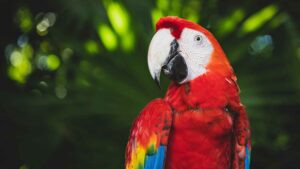
The study of animals in the Quran and science reveals profound insights into Allah’s creation, showing how modern research confirms many scientific facts about animals in the Quran.

🐪 Camel — الإبل

“Do they not look at the camel, how it was created?” (Qur’an 88:17)

🐄 Cow — البقر

Mentioned in Surah Al-Baqarah, giving name to the chapter. (Qur’an 2:67)

🐕 Dog — الكلب

Appears in story of Companions of the Cave. (Qur’an 18:18)

🐴 Horse — الخيل

Created for beauty, travel, and strength. (Qur’an 16:8)

🐘 Elephant — الفيل

Famous in Surah Al-Fil, story of Abrahah’s army. (Qur’an 105:1)

🐒 Monkey — القردة

Mentioned as a punishment example. (Qur’an 2:65)

🐷 Pig — الخنزير

Declared unlawful to eat. (Qur’an 2:173, 5:3)

🐑 Sheep/Goat — الضأن / المعز

Permissible livestock, mentioned in rulings. (Qur’an 6:143-144)

🐺 Wolf — الذئب

Appears in Prophet Yusuf’s story. (Qur’an 12:13)

🐍 Snake — الثعبان

Moses’ staff turned into a serpent. (Qur’an 7:107)

🐸 Frog — الضفدع

One of Pharaoh’s plagues. (Qur’an 7:133)

🐳 Fish/Whale — الحوت

Story of Prophet Yunus (Jonah). (Qur’an 21:87)

🐦 Birds (general) — الطير

Fly by Allah’s will, symbol of faith. (Qur’an 16:79)

🦅 Hoopoe (Bird of Solomon) — الهدهد

Messenger bird of Prophet Solomon. (Qur’an 27:20)

🐦 Crow — الغُراب

Showed Cain how to bury his brother. (Qur’an 5:31)

🪰 Fly — الذباب

Humans cannot create even a fly. (Qur’an 22:73)

🦟 Mosquito — البعوضة

Used as an example by Allah. (Qur’an 2:26)

🐝 Bee — النحل

Produces healing honey. (Qur’an 16:68-69)

🕷 Spider — العنكبوت

Metaphor for weakness of false gods. (Qur’an 29:41)

🐜 Ant — النمل

Spoke in Prophet Solomon’s story. (Qur’an 27:18)

🦗 Locust — الجراد

Sent as punishment to Pharaoh’s people. (Qur’an 7:133)

🍂 Quail — السلوى

Food given to Israelites. (Qur’an 2:57)

Quranic Verses Highlighting Animals & Their Tafsir
Spiritual Wisdom, Science & Surprising Discoveries

Discover Qur’an’s lessons about animals—with deep spiritual guidance, scientific facts about animals in the Quran, and unexpected truths.

🐝 Bee — Surah An-Nahl (16:68-69)

وَأَوْحَىٰ رَبُّكَ إِلَى النَّحْلِ أَنِ اتَّخِذِي مِنَ الْجِبَالِ بُيُوتًا …

“And your Lord inspired the bees to build hives…” (Qur’an 16:68)

Tafsir: Bees symbolize harmony & order. Classical scholars say their guidance shows Allah’s wisdom; modern tafsir notes hive complexity and honey’s healing powers.
Scientific Facts: Waggle dance shares location, hexagonal combs for strength, honey as antibiotic.
Unknown Fact: Bees can solve puzzles like opening boxes for food!

🐪 Camel — Surah Al-Ghashiyah (88:17)

أَفَلَا يَنظُرُونَ إِلَى الْإِبِلِ كَيْفَ خُلِقَتْ

“Do they not reflect on the camel, how it was created?” (Qur’an 88:17)

Tafsir: Camels embody endurance & adaptation. Classic tafsir praises water efficiency, modern science explains camel humps and unique blood cells.
Scientific Facts: Drinks 100L water at once, stores fat, survives in 50°C heat.
Unknown Fact: Camels can shut their nostrils to block desert sand.

🐜 Ant — Surah An-Naml (27:18)

يَا أَيُّهَا النَّمْلُ ادْخُلُوا مَسَاكِنَكُمْ …

“O ants, enter your dwellings…” (Qur’an 27:18)

Tafsir: Ants symbolize teamwork & foresight. Solomon hears them warning, showing communication and organization praised in both classical and scientific tafsir.
Scientific Facts: Use pheromones & vibrations, have specialized roles, some farm fungus!
Unknown Fact: Ants can carry objects 50x their body weight!

🦅 Crow — Surah Al-Maida (5:31)

فَبَعَثَ اللّهُ غُرَابًا…

“Then Allah sent a crow to show him how to hide his brother’s body.” (Qur’an 5:31)

Tafsir: Crows teach problem-solving. Tafsir points to burial custom derived from this lesson.
Scientific Facts: Crows use tools, recognize faces, solve puzzles.
Unknown Fact: Crows hold “funerals” for dead companions!

🕷 Spider — Surah Al-Ankabut (29:41)

مَثَلُ الَّذِينَ اتَّخَذُوا مِن دُونِ اللَّهِ أَوْلِيَاء …

“Their example is as the spider who builds a house; the weakest of all houses…” (Qur’an 29:41)

Tafsir: Web is metaphor for false protection. Classic tafsir notes fragility; science marvels at silk strength.
Scientific Facts: Spider silk is stronger than steel by weight!
Unknown Fact: Spiders “balloon” using silk threads to travel long distances.

🦗 Locust — Surah Al-A’raf (7:133)

فَأَرْسَلْنَا عَلَيْهِمُ الطُّوفَانَ وَالْجَرَادَ …

“So We sent upon them locusts…” (Qur’an 7:133)

Tafsir: Locusts as divine test. Classic: devastation as warning; modern: population cycles.
Scientific Facts: Swarms can contain billions; genetic shift causes outbreaks.
Unknown Fact: One swarm can eat food to feed millions of people daily!

🐘 Elephant — Surah Al-Fil (105:1)

أَلَمْ تَرَ كَيْفَ فَعَلَ رَبُّكَ بِأَصْحَابِ الْفِيلِ

“Have you not seen how your Lord dealt with the companions of the elephant?” (Qur’an 105:1)

Tafsir: The story of the elephant in Qur’an is a lesson on Allah’s protection and power, where an army with elephants was defeated miraculously.
Scientific Facts: Elephants are ecosystem engineers and have the largest brains of any land animal.
Unknown Fact: Elephants use low-frequency sounds to communicate over long distances.

🐸 Frog — Surah Al-A’raf (7:133)

فَأَرْسَلْنَا عَلَيْهِمُ الطُّوفَانَ وَالْجَرَادَ وَالْقُمَّلَ وَالضَّفَادِعَ

“So We sent upon them flood, locusts, lice, frogs…” (Qur’an 7:133)

Tafsir: Frogs as a divine sign of challenge, symbolizing balance and warning in creation.
Scientific Facts: Frogs breathe through skin and are indicators of environmental health.
Unknown Fact: Some frogs freeze solid in winter and thaw in spring unharmed!

🐷 Pig — Surah Al-Baqarah (2:173)

إِنَّمَا حَرَّمَ عَلَيْكُمُ الْمَيْتَةَ وَالدَّمَ وَلَحْمَ الْخِنزِيرِ

“He has only forbidden you dead animals, blood, and flesh of swine…” (Qur’an 2:173)

Tafsir: Pigs are forbidden for spiritual purity and health reasons; classical tafsir notes impurity, modern science highlights disease risks.
Scientific Facts: Pigs can transmit zoonotic diseases; some organs are similar to humans for research.
Unknown Fact: Pigs are among the smartest animals and can be trained to play video games!

🐎 Horse — Surah An-Nahl (16:8)

وَالْخَيْلَ وَالْبِغَالَ وَالْحَمِيرَ لِتَرْكَبُوهَا وَزِينَةً

“And He created horses for you to ride and as an adornment…” (Qur’an 16:8)

Tafsir: Horses were created for transport, beauty and utility; classic tafsir praises strength and speed.
Scientific Facts: Horses recognize human emotions and can sleep standing up.
Unknown Fact: Horses’ hooves grow continuously and must be cared for, even in the wild!

🐕 Dog — Surah Al-Kahf (18:18)

وَكَلْبُهُمْ بَاسِطٌ ذِرَاعَيْهِ بِالْوَصِيدِ

“And their dog stretched its forelegs at the entrance…” (Qur’an 18:18)

Tafsir: Faithful guardian, symbol of loyalty. Classical tafsir remarks on the dog’s acceptance to guard righteous people.
Scientific Facts: First domesticated animal; use smell 100,000x better than humans.
Unknown Fact: Dogs can sense some diseases and changes in human emotions!

🐺 Wolf — Surah Yusuf (12:13)

قَالُوا لَئِنْ أَكَلَهُ الذِّئْبُ وَنَحْنُ عُصْبَةٌ

“‘If a wolf eats him while we are a group…'” (Qur’an 12:13)

Tafsir: Wolf as symbol of false accusation; also referenced in classical tafsir on predatory life.
Scientific Facts: Wolves form packs, communicate by howling and help control prey populations.
Unknown Fact: Wolves rarely attack humans and fear them more than most wild animals.

🐳 Whale/Fish — Surah As-Saffat (37:142), Surah Al-Anbiya (21:87)

فَالْتَقَمَهُ الْحُوتُ …

“Then the fish/whale swallowed him (Prophet Yunus)…” (Qur’an 37:142, 21:87)

Tafsir: Yunus’ story shows trial, repentance and mercy; tafsir compares whale’s protection to divine care.
Scientific Facts: Whales sing songs for miles and help regulate global carbon cycles!
Unknown Fact: A whale’s heart can be so big a human can crawl through its arteries.

🐑 Sheep & Goat — Surah Al-An’am (6:143-144)

ثَمَانِيَةَ أَزْوَاجٍ مِّنَ الضَّأْنِ اثْنَيْنِ وَمِنَ الْمَعْزِ اثْنَيْنِ

“Eight pairs: of sheep two and of goats two.” (Qur’an 6:143-144)

Tafsir: Sheep and goats are lawful and part of human sustenance; classical tafsir highlights them as symbols of blessing.
Scientific Facts: Sheep recognize faces; goats climb trees for food and can have “accented” bleats!
Unknown Fact: Some sheep have natural resistance to disease due to “supergene” clusters.

🐴 Donkey & Mule — Surah An-Nahl (16:8), Surah Luqman (31:19)

وَالْخَيْلَ وَالْبِغَالَ وَالْحَمِيرَ لِتَرْكَبُوهَا …

“And He created horses, mules, and donkeys for you to ride…” (Qur’an 16:8, 31:19)

Tafsir: Donkey/mule are transport animals and cautionary example (31:19: “Lowest of voices is the donkey’s”).
Scientific Facts: Mules are sterile hybrids; donkeys are calm, hardy and used worldwide.
Unknown Fact: Donkeys have an incredible memory; recognize past humans and places after years!

🕊 Quail — Surah Al-Baqarah (2:57)

وَظَلَّلْنَا عَلَيْكُمُ الْغَمَامَ وَأَنزَلْنَا عَلَيْكُمُ الْمَنَّ وَالسَّلْوَىٰ

“And We gave you shade and sent down manna and quails…” (Qur’an 2:57)

Tafsir: Symbol of Allah’s mercy; nourishment for Israelites in desert.
Scientific Facts: Quail eggs are highly nutritious; birds migrate huge distances.
Unknown Fact: Baby quail learn to run within hours of hatching!

🐒 Monkey — Surah Al-A’raf (7:166)

كُونُوا قِرَدَةً خَاسِئِينَ

“Be despised monkeys…” (Qur’an 7:166)

Tafsir: Used metaphorically; classical tafsir notes their intelligence and communal punishment.
Scientific Facts: Monkeys use tools, show empathy, and learn through observation.
Unknown Fact: Some monkeys steal food from people in exchange for favors!

🐄 Cow — Surah Al-Baqarah (2:67)

إِنَّ اللّهَ يَأْمُرُكُمْ أَنْ تَذْبَحُوا بَقَرَةً

“Allah commands you to slaughter a cow…” (Qur’an 2:67)

Tafsir: Story of Bani Israel’s cow: classic tafsir highlights lessons about following orders and wisdom.
Scientific Facts: Cows have complex digestion and are vital for milk and food.
Unknown Fact: Cows have best friends and stress when separated!

🦟 Mosquito — Surah Al-Baqarah (2:26)

إِنَّ اللّهَ لاَ يَسْتَحْيِي أَن يَضْرِبَ مَثَلاً مَّا بَعُوضَةً

“Allah is not ashamed to present an example, even of a mosquito…” (Qur’an 2:26)

Tafsir: Mosquito shows Allah’s power in tiniest creatures; classic tafsir relates to humility.
Scientific Facts: Mosquitoes transmit malaria, dengue; vital for food webs.
Unknown Fact: Only female mosquitoes bite; males feed on nectar!

🪰 Fly — Surah Al-Hajj (22:73)

لَن يَخْلُقُوا ذُبَابًا

“No one besides Allah can create a fly…” (Qur’an 22:73)

Tafsir: Even the smallest creature is a sign of Allah’s greatness; tafsir notes fly’s resilience.
Scientific Facts: Flies have fast reaction times and taste with their feet.
Unknown Fact: Flies process visual information 7x faster than humans!

🕊 Birds & Hoopoe — Qur’an 16:79, 27:20

أَلَمْ يَرَوْا إِلَى الطَّيْرِ …

“Do they not see the birds controlled in the sky? … Hoopoe: key to Solomon’s missions.” (Qur’an 16:79, 27:20)

Tafsir: Birds show the miracle of flight; hoopoe acts as messenger in Solomon’s story.
Scientific Facts: Birds’ hollow bones help flying; hoopoe can outsmart predators with scent!
Unknown Fact: Some birds “see” Earth’s magnetic field to navigate migration!

Scientific Explanation & Proof
Miracles in Biology and Ecology

The Qur’an not only provides spiritual guidance but also points us to scientific facts about animals in the Quran.
Through modern research in biology and ecology, we see how divine signs in creatures like bees, camels, and ants align with discoveries of today.animals in the Qur'an and science
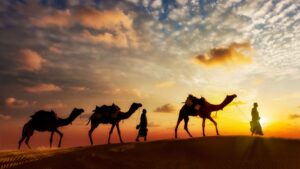
Below are selected examples that showcase the harmony between revelation and science.

🐝 Bees in the Qur’an — Surah An-Nahl (16:68-69)

وَأَوْحَى رَبُّكَ إِلَى النَّحْلِ…

“And your Lord inspired the bees, saying: Make hives in the mountains, trees, and in what people construct.”
(Qur’an 16:68)

Scientific Facts: Modern studies confirm that bees communicate through the waggle dance to share locations of flowers 🌸.
Their hexagonal hive structure is the most efficient way to store honey.
Bees in the Quran scientific facts also include their role in producing honey with antibacterial and medicinal benefits.

🐪 Camels — Surah Al-Ghashiyah (88:17)

أَفَلَا يَنظُرُونَ إِلَى الْإِبِلِ كَيْفَ خُلِقَتْ

“Do they not reflect on the camel, how it was created?”
(Qur’an 88:17)

Scientific Facts: Camels can survive weeks without water 💧, storing fat in their humps for energy.
They can drink over 100 liters at once and endure desert heat.
Scientists confirm camels are wonders of adaptation—just as the Qur’an calls us to reflect.

🐜 Ants — Surah An-Naml (27:18)

يَا أَيُّهَا النَّمْلُ ادْخُلُوا مَسَاكِنَكُمْ…

“O ants, enter your dwellings so that Solomon and his army do not crush you, unknowingly.”
(Qur’an 27:18)

Scientific Facts: Ants live in complex societies with queens, workers, and soldiers.
Research shows ants use chemical pheromones</b and even sound to communicate.
Qur’an’s mention of ant speech reflects one of the most advanced social organisms known today.

Ecological Wisdom in the Quran
Balanced Living & Environmental Stewardship

The Qur’an teaches us ecological wisdom—to care for animals and protect a balanced ecosystem.
These verses remind us that all living beings have a purpose and deserve respect and kindness. Islam encourages us to be responsible guardians (khalifah) of the earth.

Qur’an

وَمَا أَرْسَلْنَاكَ إِلَّا رَحْمَةً لِّلْعَالَمِينَ

“We have sent you only as a mercy to all the worlds.” (Qur’an 21:107)

This includes showing mercy towards animals and nature.

Environmental Stewardship in Islam

  • Sustainable Use: The Qur’an teaches moderation and responsible use of resources, never causing waste or harm.
  • Animal Welfare: Kindness to animals is a path of reward; causing pain is strictly forbidden.
  • Responsible Dominion (Khalifah): Humans are caretakers, not exploiters; balance must be kept.

Hadith

«مَن لا يَرْحَمْ لا يُرْحَمْ»

“Whoever does not show mercy will not be shown mercy.” (Sahih Bukhari, 5997)

True mercy includes being gentle to every living thing.

The Islamic view on animals and science promotes caring for all living creatures, highlighting many scientific facts about animals in the Quran such as the complex communication within bees in the Quran scientific facts. These details exemplify the broader ecological wisdom in the Quran, teaching humanity about balance and stewardship.

Scholarly Views: Islamic Scholars on Animals and Science
Ancient Knowledge Bridging Modern Discoveries

Leading scholars reveal a deep Islamic view on animals and science. By studying the Qur’an, they show how its teachings connect with modern scientific findings. Below are classical and modern analyses that highlight the harmony between scripture and facts.Ants in Quran,Quran and ants,ant communication in quran,surah an-naml,
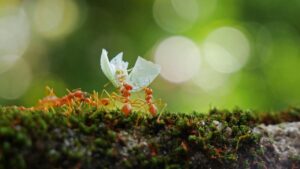
Prominent scholars illuminate the Islamic view on animals and science, showing how scriptural guidance on various species supports and anticipates modern scientific knowledge. Such analyses deepen our appreciation of the scientific facts about animals in the Quran.

Ibn Kathir (Classical Scholar, 14th c.)


“Bees are among Allah’s miracles: guided to build homes, to gather food, and to create healing honey.”

Reference: Tafsir Ibn Kathir, Surah An-Nahl 16:68

Analysis: Ibn Kathir relates bee behavior to divine guidance and lessons on community, connecting with today’s scientific facts about bees.

Imam Al-Qurtubi (Classical Scholar, 13th c.)


“Camels are signs to contemplate. Their unique creation fits perfectly with desert life.”

Reference: Tafsir Al-Qurtubi, Surah Al-Ghashiyah 88:17

Analysis: Al-Qurtubi highlights camels as examples of divine design, now affirmed by biology.

Dr. Zaghloul El-Naggar (Contemporary Scholar & Scientist)


“The Qur’an’s animal references contain scientific details unknown in their time—bees, ants, camels all present facts that science later confirmed.”

Reference: Dr. Zaghloul El-Naggar, ‘Science in the Qur’an’

Analysis: Dr. El-Naggar bridges scriptural wisdom with modern knowledge, supporting the Islamic view on animals and science.

Conclusion & Reflection
Harmony of Qur’an, Animals & Science

The Qur’an shows a beautiful harmony between scientific discoveries and divine wisdom.
Each animal mentioned brings spiritual and ecological lessons.
Learning their stories helps us reflect deeply and encourages us to respect all living things.

Reflecting on animals in the Quran and science encourages a deeper understanding of our role as caretakers of Earth—emphasizing the timeless ecological wisdom in the Quran that teaches mercy, balance, and protection of all living beings.

Qur’an

وَمَا أَرْسَلْنَاكَ إِلَّا رَحْمَةً لِّلْعَالَمِينَ

“We have sent you only as a mercy to all the worlds.” (Qur’an 21:107)

This message calls for compassion, balance, and care for the environment.

Your Reflection:

Every mention of animals in the Qur’an is an invitation to understand Allah’s wisdom and the unity of creation.
Let’s use knowledge to live with more respect, kindness, and stewardship for every living thing.

Frequently Asked Questions
Insightful Answers on Animals in the Qur’an

Many ask about the presence of scientific facts about animals in the Quran and how the Islamic view on animals and science shapes our relationship with nature. The detailed portrayal of creatures like bees in bees in the Quran scientific facts inspires both faith and scientific curiosity

Q1: Why does the Qur’an mention certain animals?

The Qur’an mentions specific animals to highlight divine wisdom in creation and to provide us with moral and spiritual lessons.
These references demonstrate the interconnectedness of all living beings and emphasize human responsibility toward them.

Q2: What lessons can we learn from the animal studies in the Qur’an?

Animal studies in the Qur’an teach us about mercy, ecological balance, and responsible stewardship.
They remind us to respect all creatures and preserve the delicate harmony of the environment.

Q3: Is there a scientific miracle in animal-related Qur’anic verses?

Yes, many verses describe detailed scientific facts about animals in the Quran centuries before modern science discovered them.
Examples include the communication of bees, camel adaptations, and ant social organization.

Q4: How should Muslims treat animals and the environment?

Islam commands kindness and justice towards all creatures. Humans are khalifah (caretakers) on Earth, responsible for maintaining the ecosystem and avoiding harm to any living being.

Q5: Can studying animals in the Qur’an deepen our spiritual understanding?

Absolutely. Reflecting on animals in the Qur’an nurtures spiritual insight and reminds us of the unity of all creation under Allah’s care and wisdom.

References
Authoritative Sources & Further Reading

  • The Qur’an
    Central religious text of Islam, revealing signs in nature and animals.
    Read Online
  • Tafsir Ibn Kathir
    Classical Islamic commentary on the Qur’an, explaining meanings of animal-related verses.
    Read Tafsir
  • Tafsir Al-Qurtubi
    Well-known classical tafsir emphasizing animal symbolism and ecological wisdom in the Qur’an.
    Access Commentary
  • Dr. Zaghloul El-Naggar
    Contemporary scholar linking the Qur’an and modern scientific discoveries on natural phenomena.
    Discover Insights
  • Scientific Facts About Bees (National Geographic)
    Detailed scientific research on bee behavior, communication, and honey production.
    Learn More
  • Camel Adaptations (Smithsonian Magazine)
    Comprehensive analysis of camel biology and their survival mechanisms in deserts.
    Read Article
  • Ant Societies and Communication (Science Daily)
    Exploration of ant social structures, chemical communication, and ecological roles.
    Explore Research
  • Sahih Bukhari, Hadith on Mercy
    Prophet Muhammad’s teachings on mercy toward all creatures.
    View Hadith
  • Sahih Muslim, Hadith on Knowledge & Humility
    Hadith highlighting the importance of knowledge and humility in Islamic teachings.
    View Hadith

Embrace Wisdom & Kindness

By studying animals in the Quran and science, individuals can embrace the ecological wisdom in the Quran and adopt a lifestyle grounded in kindness and respect for all creatures, guided by the profound Islamic view on animals and science.

Start Your Journey Today

Leave a Comment

Your email address will not be published. Required fields are marked *

Scroll to Top